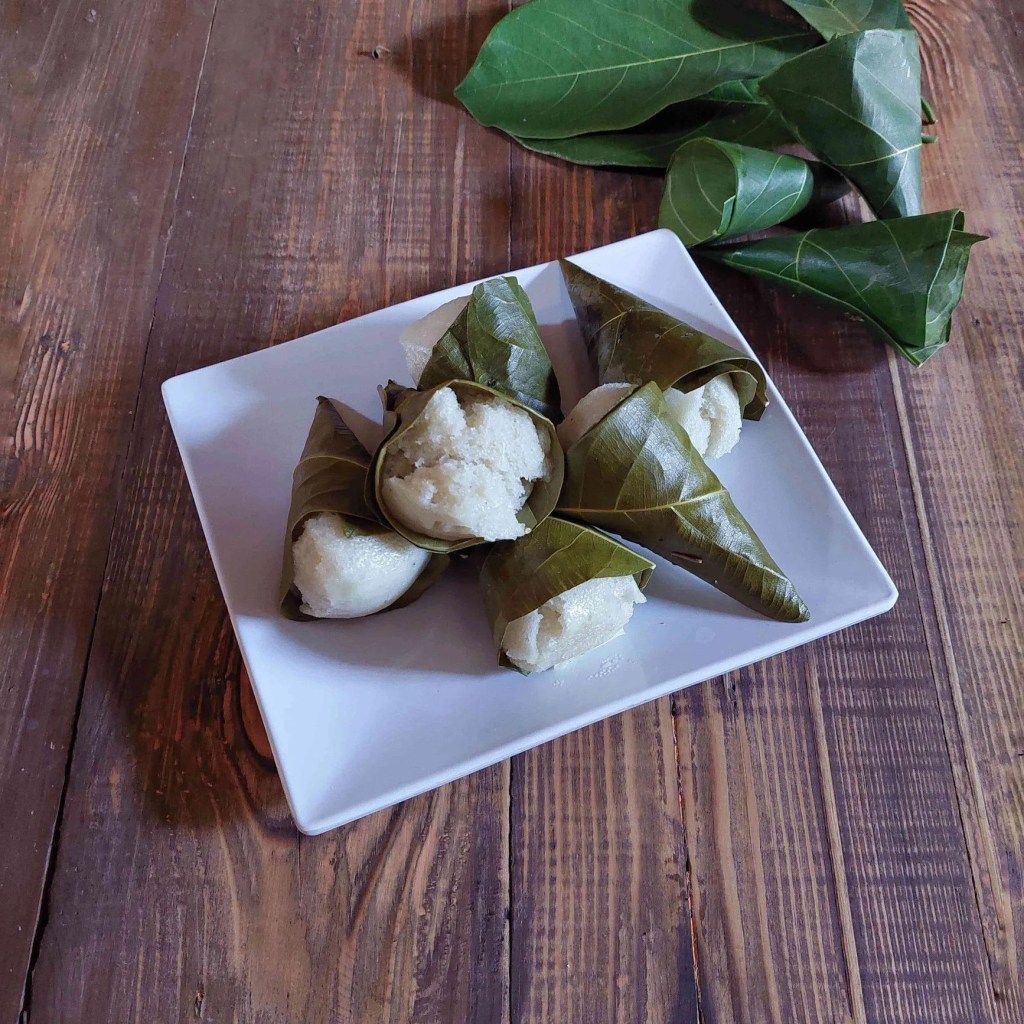
Maleman (Ramadhan’s odd nights celebration)

Dear oh dear, it’s time to slide the curtain and see your face.

Crescent moon is here.
It illuminates my sky,
Showing your perfect beauty.

Dear oh dear, your love has perfectly wrapped my imperfect reality.

This dusk
To dawn
I pray.

—-

Javanese celebrate life through sharing and commemorating ancestors. They will find reasons to call a day sacred and so they can celebrate it with especially family and neighbours through sharing. One of the chosen moments is in the last 10 days of Ramadhan.

Ramadhan is believed to have 3 phases: 1st 10 days as the grace and mercy of the God, 2nd 10 days as forgiveness of the God and 3rd ones as liberation from purgatory. It is believed that one of the nights in the 3rd 10 days is called Lailatul Qadar (literally night of revelation or night of honour) whose value is more than 1000 months so if Muslim spends the night in goodness s/he will be appreciated with 1000 months of good deeds. Many Muslim scholars interpret lailatul qadar differently; I myself believe that it is the night when a human being becomes aware of one’s bearing the quality of humanity as well as divinity. No one knows which night it is but it is believed that the night allegedly falls on odd nights of Ramadhan: 21, 23, 25, 27 or 29.

Javanese think that it would be good to share joy at any of those odd nights. Those who are blessed with abundance will share more, they will invite their neighbours to dine in and make a basket of food to bring home for each of them. The less or under privilege will usually bring 2 baskets of food to a nearest mosque or mushola to share with others; as it is not mandatory, it is ok for them not to bring anything, their neighbours will give more to them.

The odd night celebration in Javanese is called maleman that comes from the word malem (dusk or twilight) and -an (a suffix added to a word that make the word a noun or a noun another noun with different meaning). Maleman means an activity that is conducted at dusk or twilight.

We hope that by doing the maleman we can be blessed with the 1000 months of good deed of food sharing. And isn’t sharing food the simplest thing to do with neighbour? 🙏🏼

There is one kue (small cake) typically present among all food shared in maleman, it is called apem— a rice cake made with yeast and coconut milk.

Apem is a symbol of forgiveness and asking for forgiveness with each other among the Javanese Muslim. It is derived from an Arabic word “afwun/afuwwun” that means forgiving. This rice cake is a special cake appearing in many Javanese celebration as a symbol of forgiving and forgiveness among people surrounding.

I am glad that the 3rd 10 days of Ramadhan is here. Time to sleep less and pray more for the sake of my happiness and joy.

Salaam.

—-

Nowadays kue apem has been creatively modified. Originally it is steamed; now many also fry it. I love this one of Javanese delicacies! 💝

Have a look of a few of the creations of our amateur cooks. 🙏🏼

we used to have this “apem conthong” either using jackfruit or banana leaves to both mould and wrap it — not many though make it due to its complicated process

the most common nowadays

this one is fried 😍

simple to cook but take long time to slice when set after cooked

💝
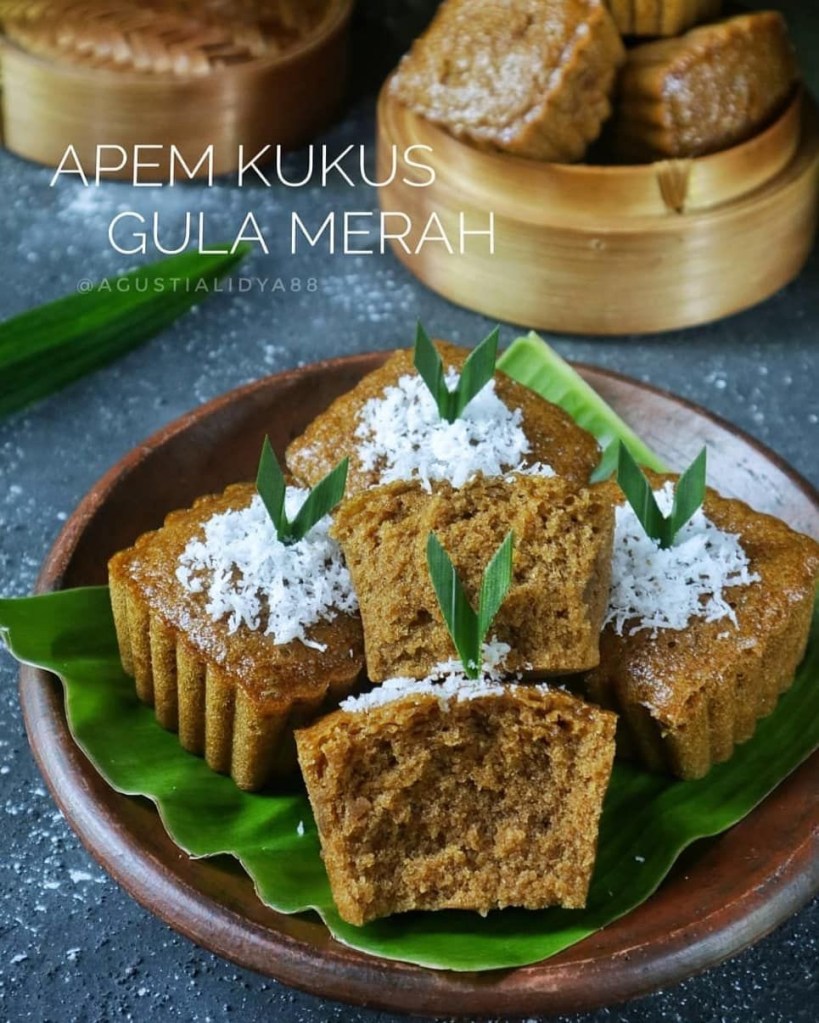
apem with Javanese palm sugar as the flavour — the sweetest one
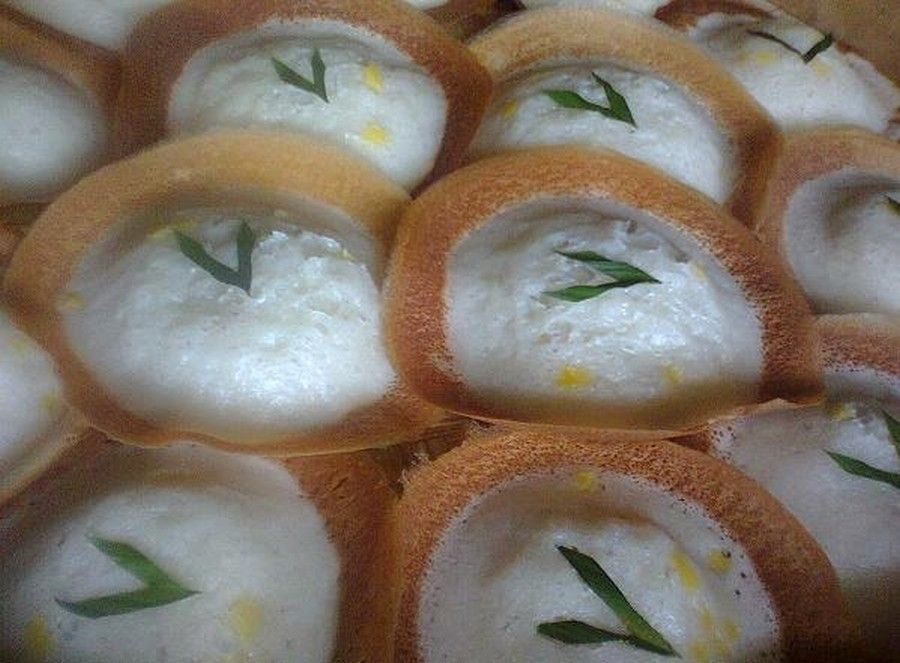
apem kembang — my favourite 😍

Welcome, Month of Exercising (Javanese Muslim Tradition)

Regret and sorry
Not easy to feel and say,
Yet flushing the guilt.
Look! It’s rain water pouring
On the roof, sweeps away dirt.

—————————————————

Ramadhan is starting tomorrow, it’s my 38th year in which I do full fasting. I’m so grateful with this achievement. Achievement? Yes! Imagine for one full month during the day we don’t drink, we don’t eat, we don’t smoke, we don’t sex, we don’t let out uncontrolled emotion, we simply hold whatever we normally let out easily with no delay. We are human beings though, we can do all those at night. Ahem!

As a Javanese Muslim welcoming Ramadhan is as special as the fasting itself. We welcome the Ramadhan with a small celebration called megengan which literally means holding (esp. the breath).

In megengan a Javanese family will deliver a basket of rice with dishes to neighbours and extended family members living separately. While each family can choose what they share, there is one must specialty in this occasional delivery so called “apem” in Javanese or “kue apam” in Bahasa Indonesia or Malay.

Apem is steamed cake whose ingredients are rice flour, coconut milk, coconut water, yeast, sago starch and some sugar.

The word apem is derived from the word “afwun” (an Arabic word) meaning apology. Why apology? In Ramadhan when a Muslim is fasting, s/he is not only holding her/himself from hunger, thirst, lust, uncontrolled anger, and exercising her/his integrity; but s/he is also recommended to contemplate her/his own “action records” for the past one year. It is not easy for one to bear the guilt during the contemplation, so it is recommended for a Muslim before Ramadhan to apologise to their family and friends or to whomever s/he did wrongdoing, to ease the contemplation process. As it might not be easy to say sorry through a naked word, Javanese Muslim will include a symbolic apology in the food called apem when they deliver the whole food package. Everyone knows what it is, what it does— it is up to each person whether or not to accept the apology. And there they go starting the fasting month with a light heart to physically, mentally and spiritually exercise her/himself for one full month.

I used to think that that celebration was a waste of food. For one week I used to see sooooo many plastic and bamboo baskets piled up in our dining table and shelves — all those megengan packages which would be eaten just a bit and end up given to our chickens at the back yard. Fyi, the apem is never wasted though as every family has different taste and ways of how to make their best apem – maybe it’s a symbol that everyone is taking the apology seriously. I used to say to my mom that megengan was more about chickens celebrating than human beings celebrating. However after I understand what is symbolised through those simple deliveries, I highly appreciate the way we Javanese hold the integrity through our humble tradition.

I used to tell my mother to not do it, but now I’ve always been a reminder to her to not forget doing it and done it myself although I’m living around those not familiar with this tradition. I normally cook some simple food for the cleaning ladies and the gardeners who are assigned in the block two days before Ramadhan. Unfortunately minus the apem, simply because I am not confident enough to make my own apem. Tried this year though and failed 🙃

I promise to myself that this year is gonna be a good Ramadhan.

Welcome, month of holding, month of exercising integrity. It might not be always easy but doable.

I’m sending out apology to all the people having felt hurt by me. I’m sorry with my heart and soul in naked words. 🙏🏼

May all beings be happy.

my private megengan in 2022 minus rice, the white one is my own first apem in life – taste good but imperfect texture 🥰