How can they be
Part of me?
Emerging
Merging
Like a history.
Who am I? Or who am I supposed to be?
Are those in possibly?
Or none?
Let it be.
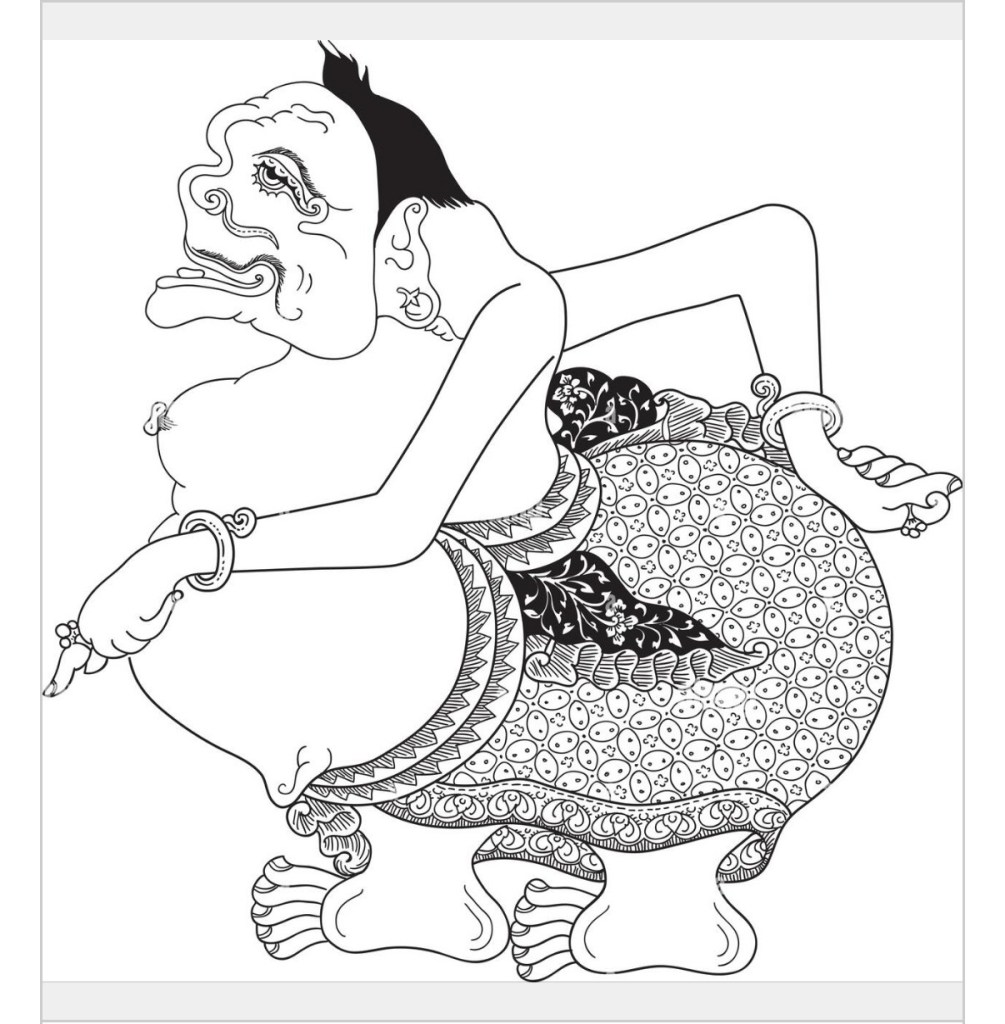
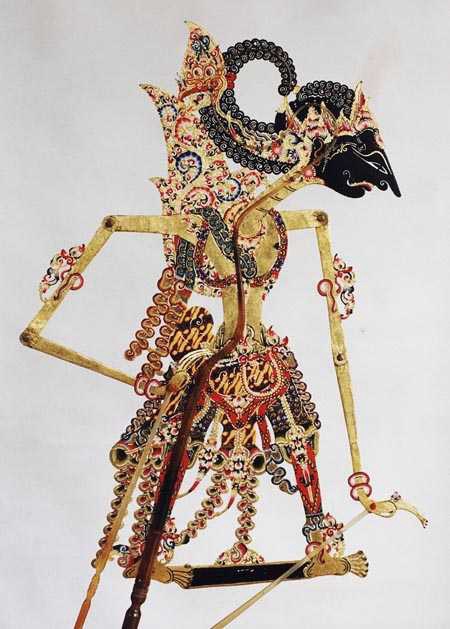
Semar
his wisdom & simplicity — my #1 wayang kulit
Anggraeni
my #1 female wayang, a nobody in the wayang box, a loyal wife to a loyal husband — a humble abode for a humble soul
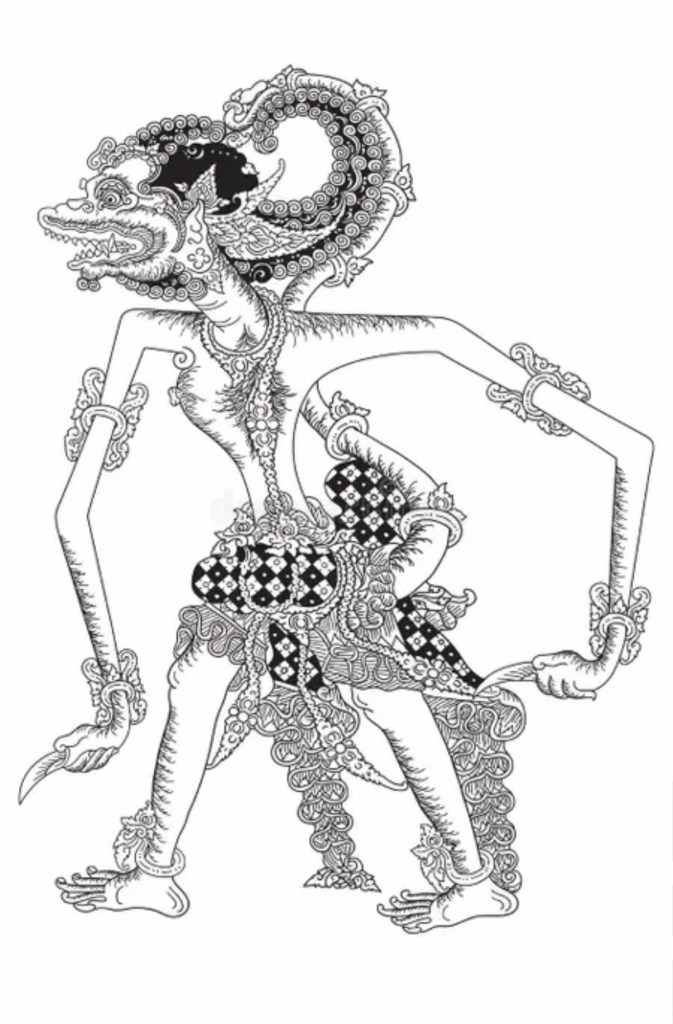
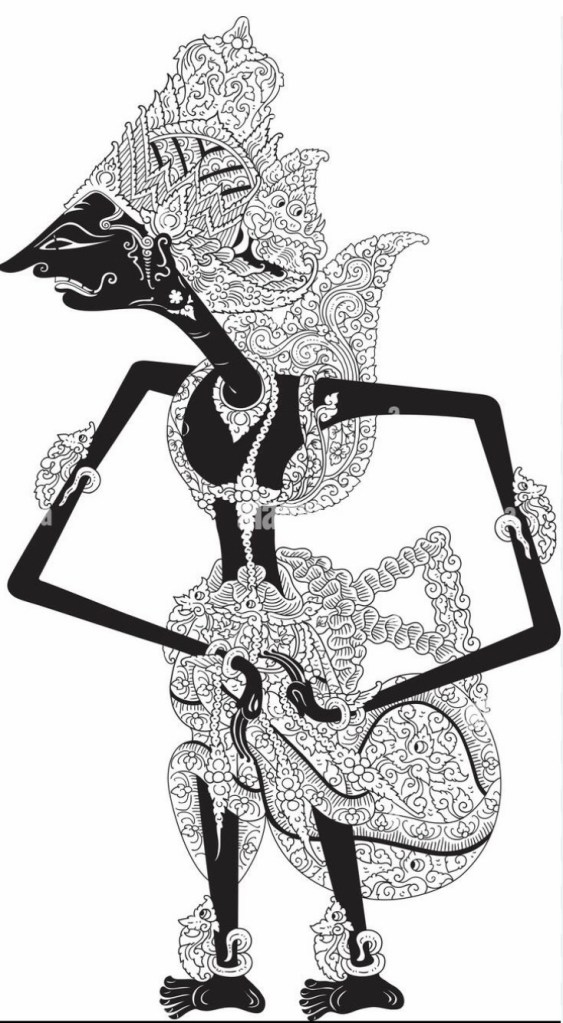
Anoman
he is a symbol of sheer devotion & vitality — what’s more do you want in life?
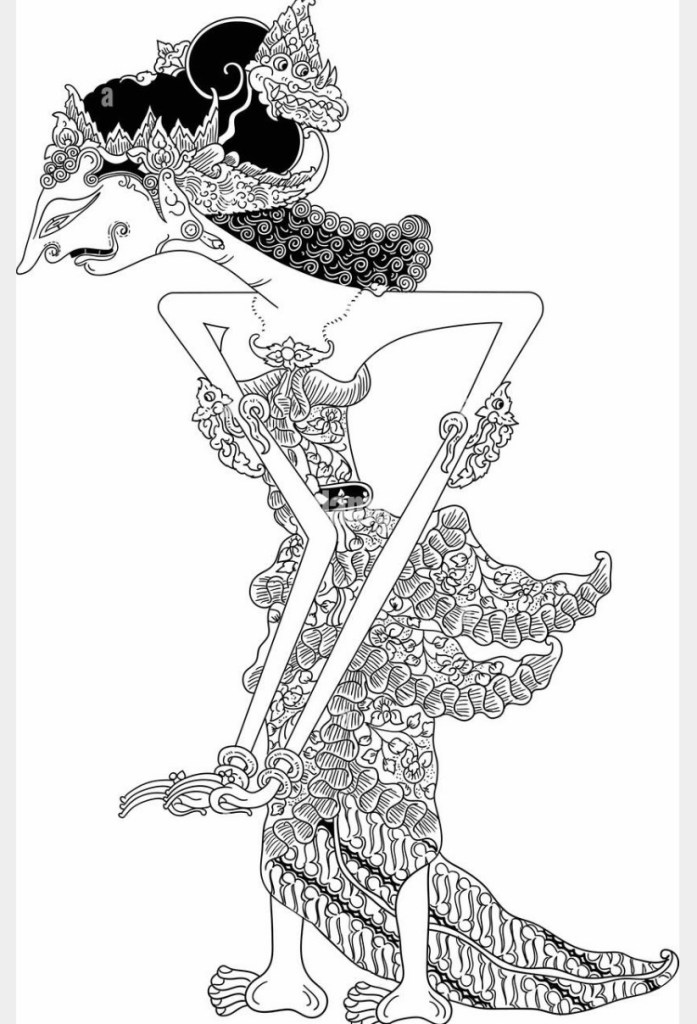
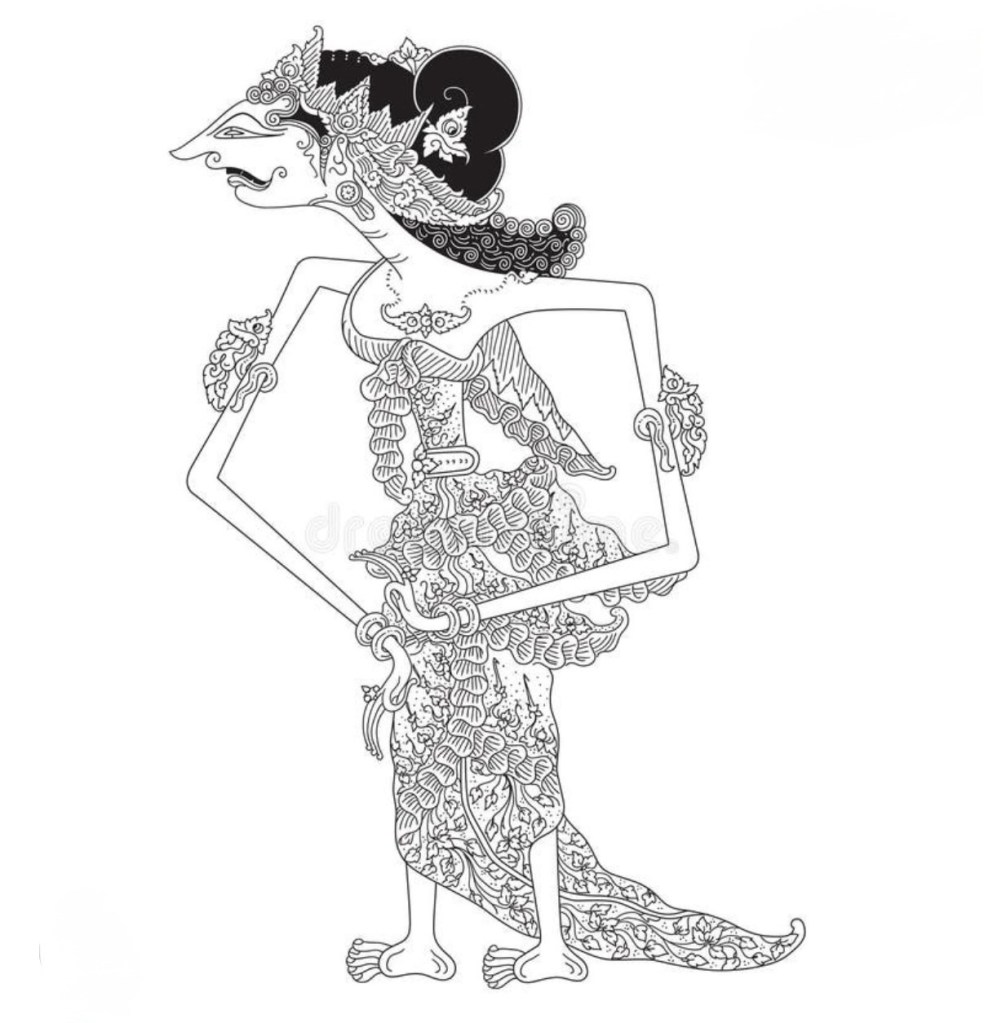
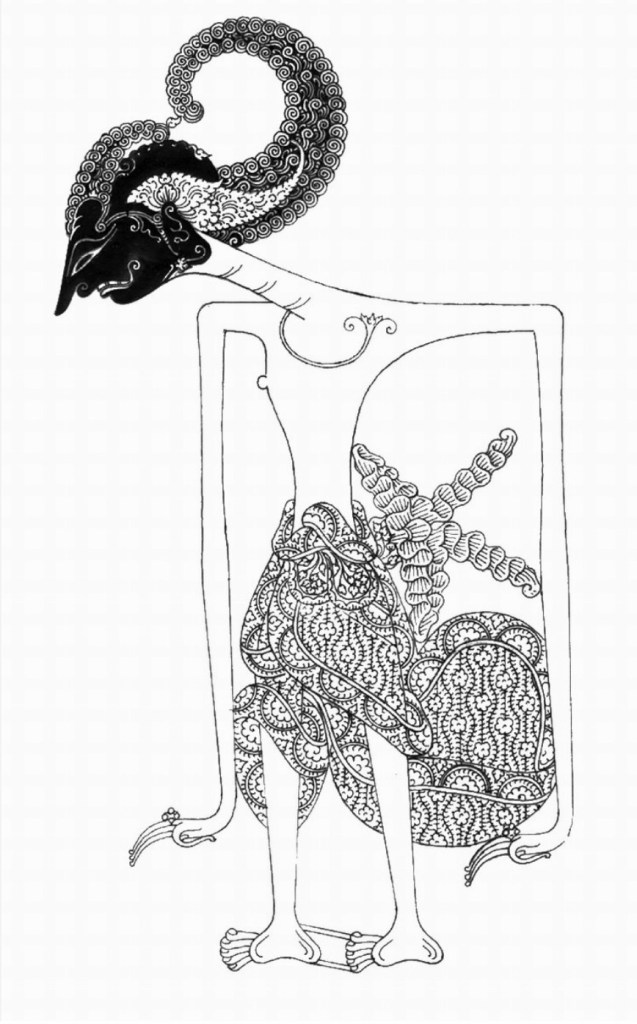
Larasati
an intelligent woman married to a superior man — still she is willing to be a humble background although she is allegedly much more skilful than her well-known husband, Arjuna
Sri Kresna
I used to misunderstand about his super wised-up character until finding him a mastermind of the biggest battle of a family — The Bharatayudha
no more Sri Kresna as my super wayang
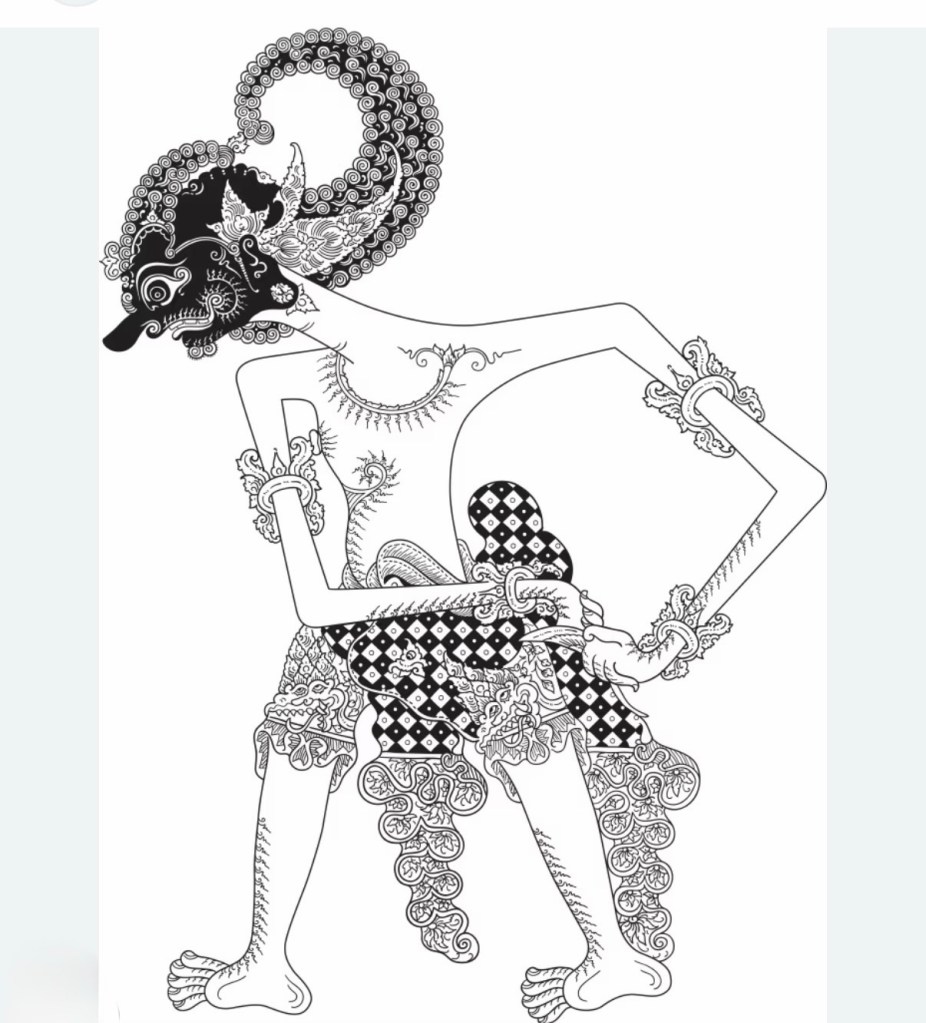
Arjuna
I used to think a perfect man is like him until finding myself someone who asks too many questions; no perfect man –if like him– can handle me
I let go off him long time ago
😎
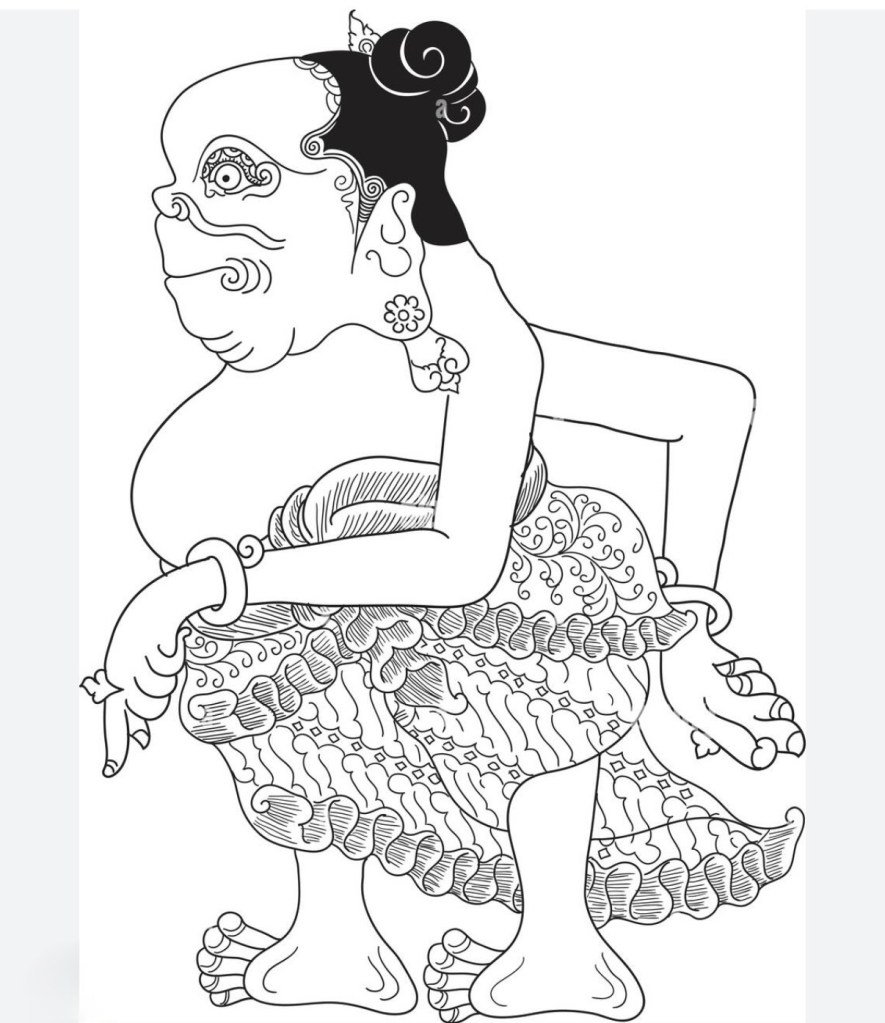
Limbuk
I thought I was one princess in the wayang box but I am ok to be her — someone who is willing to be as humble as herself, fun as herself, relaxed as herself, witty as herself, confident as herself, flirtatious as herself, devoted as herself, mature yet childlike as herself, happy-go-lucky as herself
just like herself in herself wherever she is put to be
Kata guruku hati harus ringan, Harus. Kata guruku langkah harus pasti, Harus. Kata guruku badan harus rajin, Harus. Kata guruku hidup harus berserah, Harus. Susahnya! Laku kuganti guru. Ngomongnya begini: Buat apa jadi manusia kalau tidak punya hati bahagia? Kalau kerjanya bermalas-malas diombang-ambing angan-angan? Kalau kerjanya memaksa semua dengan maunya?
Duh! Berguru di mana-mana sama! Aku duduk di depan patung Dorna, Pendeta legenda, Sebagai Ekalaya aku berpura-pura.
Bambang Ekalaya (Anggraeni’s husband), most loyal male wayang to his teacher
Dewi Anggraeni (Ekalaya’s wife), most loyal female wayang to her husband
Semar has fascinated me with his high wisdom and hilarious family, the Ponokawan — in the show Dalang Seno performed the lakon (story) fascinatingly
Dalang Seno was our friend Agnes’ late husband, now their son is becoming a young puppeteer who has shown talent and perseverence to dedicate himself to Javanese wayang as his father did
Hidden gems
Shan’t be found
By those admiring surface.
Let it be kept undercover,
Shining within
The hearts of
The true lovers.
——
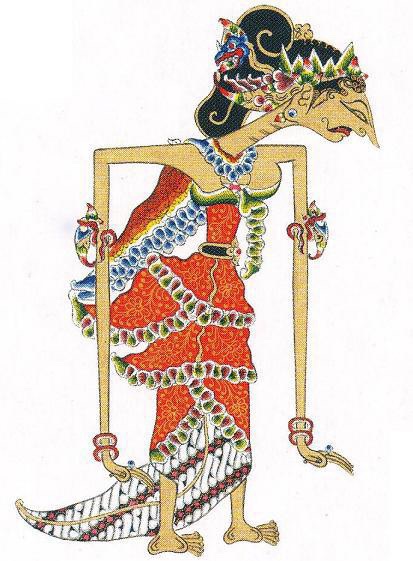
Dewi Larasati (named Rarasati in her childhood) is one of female characters in Javanese wayang whose personality is described as pleasant, patient, understanding and of good self control. She is unpopularly one of female wayang characters with military skill. She is good at handling keris and archery. She is allegedly as skillful as her husband, Arjuna.
Note: Dewi can mean goddess in Javanese. It can also simply mean or indicate that the person given that Javanese name is a female. Dewa is for male.
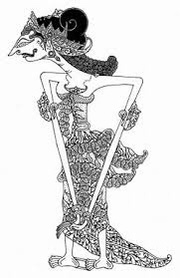
Dewi Larasatiin black and white
Dewi Larasati is a humble woman and is so humble that she doesn’t want to announce her military skill until one day she is called by his husband to show her archery skill in from of Srikandi (his other wife). On that day everyone starts to know that Dewi Larasati’s archery expertise is outstanding, much better than Srikandi who is allegedly the best female archer in Javanese wayang and the bravest female heroine of all.
Dewi Larasati is then declared the one having as good skill as Arjuna’s, the best archer in Javanese wayang. Yet she never boasts of being as good as her husband in archery. She chooses to be the queen of the knight of war and mindfulness Arjuna, the beloved mother of her two sons, Bambang Sumitra and Branatalaras, the aunt of Pandawa’s offsprings.
Dewi Larasati facing left direction
While people like to talk about Dewi Larasati from that angle, I like talking about her from different one. To me I prefer to play dictions so disecting the word “Rarasati” and “Larasati” is another option.
Rarasati is a combination of 2 Javanese words: raras and ati. Raras means feel, feeling, thought, thinking Ati means heart So rarasati can mean the feel of a heart or the thought of a heart or a feeling heart or a thinking heart
Larasati is a combination of 2 Javanese words: laras and ati. Laras means song, singing, chat, chanting, reciting, recitation, Ati means heart So larasati can mean the song of a heart or a singing heart.
Dewi Larasati facing right direction
I always think Dewi Larasati’s parents’s naming her “larasati” because of their dream to have children who are willing to use the heart to feel and think the reality and to listen to their own self to balance the power of the loudness of material world.
With my simple utterance about the word “rarasati” and “larasati” I can imagine Dewi Larasati is a hidden gem that needs no disclosure as undercover she is already glowing. With her excellence she accepts to be less well-known than Srikandi, the archery heroine. With humbleness she accepts to be less popular than Sembadra, Arjuna’s second wife, while Dewi Larasati is the first wife of that bloody handsome knight Arjuna. Please note although I admire Arjuna’s high quality of meditation and nationalism, I curse his being a womaniser.
Anyway this is not about Arjuna, it is about Dewi Larasati, a humble intelligent woman whose identity is underrated because of her unpopularity like a hidden gem that is kept low key by those loving and protecting her.
Ahh! Is the above discussion culturally relevant? Or is it just this person who idolises those unpopular gems in life?
It doesn’t matter. This is just a different point of view about an old fact.
💕
Salaam.
Dewi Larasati on a batik scarft designed by Dudung Aliesyahbana, batik maestro from Pekalongan, Central Java
Beauty, Beloved
Hidden, might never be found—
Still it is beauty.
———————————————————
This prince is one of my favourite wayang (literally means shadow, leather puppet show that are watched from behind the geber/screen as shadow). He is one of the bravest, most studious, dignified character in pewayangan (Javanese puppet stories that are mostly centralised on Mahabharata, Ramayana and their modifications). He is unpopular (in wayang stories, Pandhawa and Kurawa are those who are popular), humble and empanpapan (knowing one’s proper position in some given situation— Javanese wisdom)
Ekalaya or Bambang Ekalaya or Palgunadi was a prince (king later) in a small kingdom called Paranggelung (Nishada) under Hastinapura commonwealth. He ruled his kingdom wisely. His life was contented and happy, yet there was one ambition he hadn’t fulfilled yet. He wanted to be one of the best archer in his era.
Ekalaya or Bambang Ekalaya or Palgunadi
While he had the talent and ambition, his status as unpopular prince of a small kingdom hampered him from getting the opportunity to enrol in the most prestigious archery school under management of Pandhita Durna. Pandhita Durna was the highest professor educating Pandhawa and Kurawa children who were the heirs of the most prominent kingdom of the era. He was the patent holder of Danudewa, the highest archery skill in the era.
Bambang Ekalaya who was naturally talented himself had achieved high level of skill, that allegedly could beat the skill of the most skilful and most favourite student of Pandhita Durna, Arjuna or also called Palguna.
Bambang Ekalaya was also known as one human being who wore a divine ring called Mustika Ampal that could amplify his power. This ring was a gift given to Ekalaya’s father who prayed to the Highest Divine wishing that his child could be blessed as a wise king. Pandhita Durna didn’t know that this unpopular prince had this rare powerful gift and thought that only Arjuna was the most talented knight.
Although he was rejected, Bambang Ekalaya didn’t stop training himself for the perfection of archery skill. He made a statue of Pandhita Durna and everyday he religiously gave respect to “him” and rigorously exercised in front of the statue as if Pandhita Durna really had been witnessing his activities.
Bambang Ekalaya was married to a princess who loved him devotedly. Her name was Anggraeni or Dewi Anggraeni.
Anggraeni or Dewi Anggraeni
Anggraeni loved Bambang Ekalaya devotedly. The princess was a humble, courageous woman who would not easily give up to challenge of integrity.
I’ve been told to pray for the ancestors, overall those in the family tree who have been deceased. We will trace back from my late father to his parents to his parents’ parents, up above to the very first regardless traceable or not and trace back from my mother’s parents to her parents’ parents, up above to the very first regardless traceable or not.
In old Javanese tradition people will do the prayer for ancestors in a simple yet sacred ritual – while some people will go to the graveyard or monument to do it, many are doing it at home. No altar, put thing on your table and pray.
However, four components shall be thoughtfully prepared: the day, the prayer, the food, drink, and (sometimes) cigarettes, and the flowers. Each of those has meaning.
As a reminder, here is the meaning. Please don’t quote me as my knowledge is the result of my personal contemplation mixed with very limited knowledge that I read and hear from many sources.
Chosen Days All days are good, all time is precious. We are the one giving them meaning by putting some more attention and creating the moment on particular days. So choosing the day is a decision to give meaning to particular time so that it becomes a beautiful moment that boost our mood to connect with our beloved and respected members “above”. The day you are born must be your favourite day.
People will do it at night; many choose to do it at Thursday night before Friday morning breaks, others choose to do it on the day they are born (Sunday to Saturday combined with one of the Javanese 5 days. which is Paing, Pon, Wage, Kliwon and Legi — so if you combine, it can be Thursday Kliwon, Tuesday Legi, etc which are astrologically calculated in a very complicated system. Don’t ask me further about Javanese astrology – I’m zero!
By the way, people traditionally do the ritual ancestor prayer once in 35-40 days or on special dates/occasions but nowadays most people do it twice in a year: around Ramadan and in Javanese new year (lunar calendar). Me? Don’t ask…. 😂
Prayers To me chanted prayer is a set of (poetic and romantic) line to synchronise the emotions through all senses with the inner self by focusing on what are uttered or sung. Chanted prayer improves concentration. It helps achieve the oneness within self. So, make sure you understand what you are saying in the prayer. Otherwise, you become a talking parrot.
In Javanese old tradition people recite some “tembang” the Javanese songs which reflect wishes and philosophical thought. Young Javanese used to be taught how to sing those songs in elementary school but now that lesson has gone from the formal education and replaced by popular music lesson as a result of modern culture massively affecting and marginalising the local potential.
While Dhandhanggula verses are commonly chosen to be sung softly by those who are good enough to be heard by the wind and human beings — oh please excuse my out of tune; other Javanese songs (Mocopat) can be the alternatives. People can only use the tembang’s tones or tones and verses. There is no rigid rule for that.
Some others will use Quranic verses containing universal prayers — Javanese culture has been merged and amalgamated with many different religions (Hinduism, Buddhism and strongly with Islam) and so Quranic verses are inserted or substituting some items in the culture. Many will choose QS Yaasiin allegedly the “heart of Quran” or QS Arrahman that contains a lot of heavenly joy to reflect our prayers that all ancestors’ souls are living in heaven. Many people also use QS Alfatihah allegedly the “mother of the Book” or the “mother of Quran” which is much shorter than the other two.
Why Quran is used in many aspects of Javanese? There is a lot of synchronicity between Javanese thinking tradition (Kejawen) with the Islam spirituality (Sufi) and that has developed mutual functionality between those traditions.
If you live in Java island especially central to eastern part of the island for just a while (one week maybe), ou will shift understanding about the Islam which you might have perceived as a rigid teaching originated from Arab land. Islam in Java is different at an almost extreme level of characteristics from Arabian culture. No, no I don’t hate Arab or the “Arabian Islam”, I just don’t want people to wrongly think that all muslims are rigid and narrow minded just by some wrongly-defined teaching or hatred-based perception made by some irresponsible Orientalists. Please don’t judge my language. I don’t mean anything but “Islam isn’t like what you think it is, You should travel more to know more.” Ok, I rest my case.
The other group will just say nothing at all, their prayers are uttered silently in the secret language that can only be understood by those praying.
What do we pray for? We pray for the joy of ancestors’ soul — I myself like to whisper in English “Dear beloved and respected Ancestors, may you be living peacefully in the heart of green birds in heaven. May you be blessed with good sight of seeing us remembering and praying for you. May you be greeting us too when we realise that we exist after and through you.” Then we pray for our own selves — whatever good prayer we want to chant. What is good prayer? My goodness, any prayer for your happiness and success! 😊
Semar – a character in Javanese shadow puppet whose prayer is always “thank you” for all given by Life. Many Javanese idolise him for his humble yet respected life.
Preparation of Drink and Food If you know ancestors’ favourite drink and food, prepare them. If not, take your most favourite and remember to always prepare the best ones.
I never know what my ancestors’ favourite food but I know my father loved “kue lapis” – that with layers of coloured rice cake. So kue lapis is always there accompanied by others.
And the beverage is always kopi tubruk and teh tubruk because those two types are the favourite of all in Javanese tradition. Kopi tubruk is plain brewed ground coffee – we don’t filter it, no strainer no no, some people let the coffee powder settle at the bottom of the cup but some will drink the black black coffee with some coffee paste in it, and don’t forget sugar! Teh tubruk is the other one: you just throw dried tea leaves into a cup, pour boiled water, let the leaves drown down, then sip it up with or no sugar!
Cigarettes? I am sorry, dear Ancestors. Smoking isn’t healthy as cigarettes nowadays are made of those hazardous chemicals that will harm your health. So, please excuse this decision. 😁
Yummy! My mother said I am not supposed to eat it after the prayer, but I do….Good “kopi tubruk” and “teh tubruk” for the beloved and respected ancestors
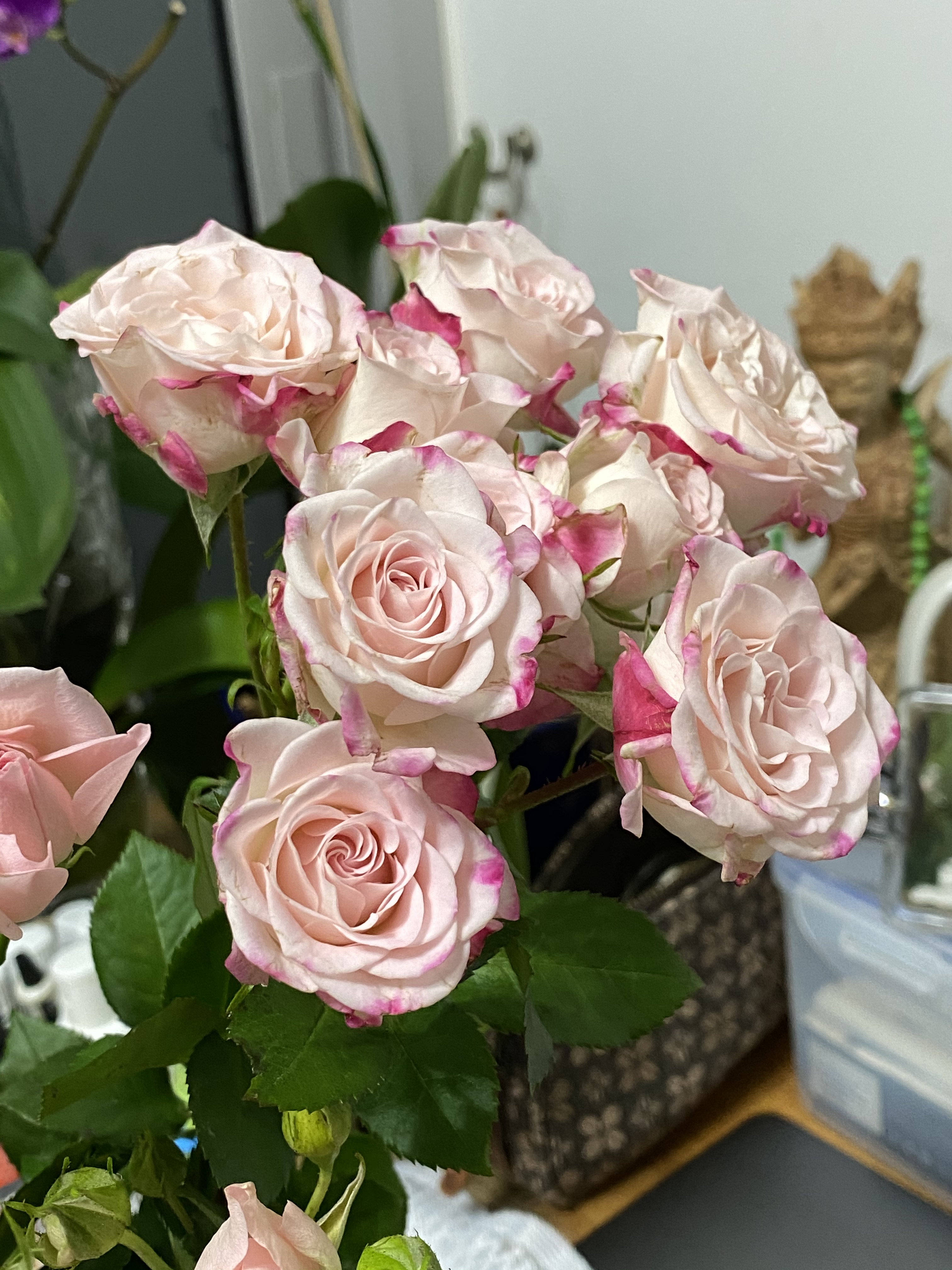
Flowers What flowers are used? The key is always “what’s you ancestors’ favourite?” As I am not sure what my ancestors’ favourite flowers, I just refer to what flowers are commonly used in the tradition. Jasmine, rose, ylangylang and magnolia alba are the ones. As I could only find rose then rose it is! I plan to use sunflower, lily or orchid next time as they re my fave!
Why flower? Flower is always associated with fragrance. Fragrance symbolises the good deeds that were dedicated by our ancestors in their life time that will be eternally carved as a sacred key to connect with their bloodline. It also symbolises our good deeds to connect with ancestors. Only when we do our good deed and preserve ancestors’ good deeds, will we connect strongly with the powerful blessings from ancestors.
Being a modern human being should not stop me from remembering that I can only exist with “the good heart and help” of those up above the branches and trunk in a family tree. Hey, we might be a part of a giant family tree – Homo Sapiens whose ancestors are the same. So, next time I’ll probably pray for everyone’s ancestors.





 rike jokanan

You must be logged in to post a comment.